





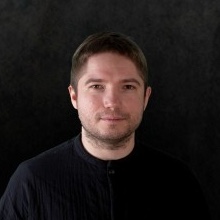
Vadim Smakhtin is Head of Product and Technology at Innerspace, where he leads the development of technology that transforms complex aseptic manufacturing knowledge into structured, scalable and actionable insights. With more than a decade of experience in data-driven product development, he focuses on how digital process models, data and human expertise can work together to strengthen risk-based decision-making, knowledge transfer and operational scalability in pharmaceutical manufacturing.
At Innerspace, this approach takes shape through the Frame-by-Frame® methodology. It structures interactions among people, equipment, materials and the production environment in a Digital Process Model, creating a common data foundation for risk assessment, documentation and training. Vadim’s product perspective connects that analytical structure to expert-facing tools and workflows, so the model supports the decisions people need to make rather than remaining a detached representation of the process.
“A Digital Process Model only creates value when it serves the people operating it. My focus is structuring complex manufacturing data around human expertise, giving experts the clarity and context they need to make better decisions.”
For Vadim, meaningful product development starts with a clear understanding of intended use and the decisions technology is designed to support. A system must make clear which inputs it uses, how information is connected, what an output means and where human review remains necessary. This is especially important in pharmaceutical manufacturing, where useful technology must fit the process, the quality system and the responsibilities of the people who operate it.
Before his current role, Vadim worked across software architecture, big-data products, spatial analysis, data visualisation, interactive systems and extended reality. At his previous role as a CTO at Habidatum, Vadim set the direction of software development and worked on the interaction between software engineers, designers and urban analysts.
This experience shapes his approach to product and technology development at Innerspace. In pharmaceutical manufacturing, increasing the volume of data or the sophistication of technology does not, by itself, create better outcomes. The value lies in structuring information around the decisions experts need to make, helping them understand relationships, challenge assumptions, and trace conclusions back to their process context. For Vadim, technology is most valuable when it makes complexity easier to navigate while preserving the expertise, transparency, and accountability critical to decision-making.
At Innerspace, this means developing data and product capabilities without separating them from pharmaceutical expertise. Engineers and subject-matter experts need to work from a shared model of the process. Technology can then support consistent analysis and scalable outputs while the accountable experts retain ownership of risk and quality decisions.
Vadim’s strongest topics include product strategy for regulated environments, software architecture, Digital Process Models, data visualisation, expert-facing interfaces, human-machine interaction, web technologies, extended reality and the controlled application of AI to complex analytical workflows.
His work supports Innerspace’s wider mission: making pharmaceutical process knowledge more structured, reusable and actionable so manufacturers can improve risk assessment, documentation, training and process execution.
All articles from
Vadim Smakhtin
-

Black Box AI in Aseptic Manufacturing: Why Explainable Process Data Matters More Than the Model
Black-box AI in GMP raises two questions. First, is the model’s decision-making process explainable? And will it give you the same output again? Draft Annex 22 asks for both, yet…
|
12minutes read